
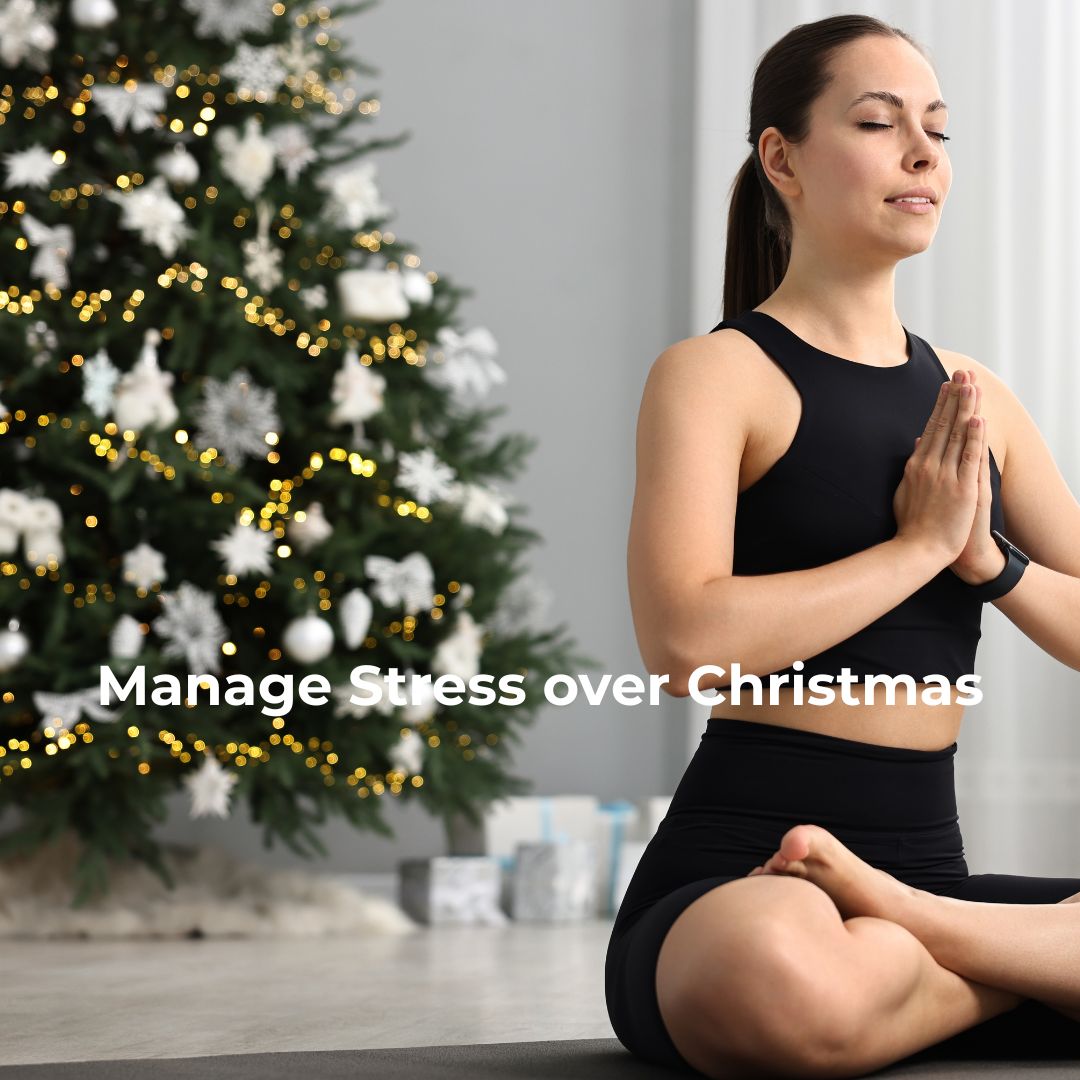
December on the Tweed Coast should feel like a deep breath out: long days, warm water and time with the people we love. For many of us, though, the lead-up to Christmas is one of the most stressful times of the year. There are end-of-year deadlines, school concerts, shopping, travel, hosting, and a to-do list that seems to grow overnight.
As physiotherapists, we see what that stress does to the body every December. Neck and shoulder tension goes up, headaches flare, sleep slips, and people injure themselves trying to do too much in too little time. The good news is that a few small, practical habits can make a real difference to how your body feels over the festive season.
In this guide, I’ll explain how stress shows up physically, why proper rest matters more than you might think, and give you simple strategies and exercises to stay calm, comfortable and moving through the holidays.
How stress shows up in your body
Stress isn’t only “in your head”. When you’re under pressure, your nervous system shifts into a protective “fight or flight” state. Your heart rate and breathing speed up, stress hormones rise, and your muscles get ready for action.
That response is helpful in short bursts. When it stays switched on for weeks, though, it can show up as:
- Neck and shoulder tension. We tend to lift our shoulders towards our ears and brace through the upper back when we’re stressed.
- Tension-type headaches. Ongoing muscle tension, poor sleep and long hours at a screen are common contributors.
- Jaw clenching and teeth grinding. Many people clench without realising, especially at night or when concentrating.
- Changes in migraine patterns. For people who live with migraine, changes in routine, sleep, meals, hydration and alcohol over the holidays can lower the threshold for an attack.
- Low back stiffness. This comes from long drives, more sitting and sudden bursts of heavy lifting.
- Poor sleep, which in turn makes pain feel worse and stress harder to manage.
If you notice your body “holding” stress, you’re not imagining it. Your nervous system and muscles are closely linked, which also means calming one can help settle the other.
Why rest is more than doing nothing
We often think of rest as collapsing on the couch at the end of a long day. True recovery is a little different. It’s about giving your nervous system a chance to shift out of high alert and into its “rest and digest” mode, so your body can repair, recharge and regulate.
Good-quality rest can include:
- Sleep with a regular wind-down routine
- Slow, relaxed breathing
- Gentle movement such as walking, swimming or Pilates
- Time outdoors, in nature or by the water
- Genuinely enjoyable time with people, or quiet time on your own
Rest isn’t the opposite of movement. Some of the most restorative activities involve moving your body gently and rhythmically.
Seven physio strategies for a calmer Christmas
1. Breathe out longer than you breathe in
Slow breathing with a longer exhale is one of the simplest ways to help your nervous system settle. Try breathing in gently through your nose for a count of four, then out slowly through your mouth or nose for a count of six. Repeat for two to five minutes. You can do it in the car park before the shops, at your desk, or lying in bed.
2. Do a body scan for tension
A few times a day, check in with yourself. Are your shoulders up near your ears? Are your teeth clenched? Are you holding your breath? Let your shoulders drop, unclench your jaw, and follow the simple rule of “lips together, teeth apart”.
3. Take “movement snacks”
You don’t need a full workout to feel the benefits of movement. Two or three minutes of gentle exercise every hour or so (shoulder rolls, a quick walk, a few squats while the kettle boils) can ease stiffness and break up long periods of sitting.
4. Protect your sleep
It’s tempting to burn the candle at both ends in December. Where you can, keep a fairly consistent bedtime and wake time, give yourself a screen-free wind-down before bed, and go easy on alcohol and caffeine later in the day. Sleep is one of the most powerful recovery tools we have.
5. Pace your preparation
Christmas injuries often come from doing everything at once: a full day of gardening, cleaning and lifting heavy eskies before guests arrive. Spread big jobs over several days, take regular breaks, and ask for help with heavy lifting.
6. Lift smart
When you’re carrying shopping, luggage, kids or that slab of drinks:
- Keep the load close to your body
- Bend through your hips and knees rather than rounding your back
- Avoid twisting while lifting; turn with your feet instead
- Split heavy loads into smaller trips
7. Plan for travel
Long drives and flights can leave your neck and back stiff. Stop every one to two hours to get out and stretch, use a small cushion or rolled towel to support your lower back, and keep yourself well hydrated.
Christmas-friendly exercises you can do anywhere
These gentle exercises are designed to ease tension and keep you moving. Move slowly, stay within a comfortable range, and stop if anything causes pain.
1. Chin tucks (for neck tension) Sit or stand tall. Gently glide your chin straight back, as if making a double chin, keeping your eyes level. Hold for three to five seconds, then relax. Repeat 8–10 times.
2. Shoulder rolls and blade squeeze Roll your shoulders up, back and down five times. Then gently draw your shoulder blades back and down, hold for five seconds, and relax. Repeat 8–10 times.
3. Seated spine twist Sit tall on a chair with your feet flat. Cross your arms over your chest and slowly turn your upper body to one side, breathing out as you turn. Return to the middle and repeat on the other side. Do 6–8 each way.
4. Kettle calf raises While waiting for the kettle or the oven, hold the bench and slowly rise up onto your toes, then lower down with control. Repeat 10–15 times.
5. Sit-to-stand From a chair, stand up without using your hands if you can, then slowly sit back down. Repeat 8–12 times. It’s a great way to keep your legs strong through a season of sitting.
6. Long-exhale breathing Lie on your back with your knees bent, one hand on your chest and one on your belly. Breathe in for four and out for six, letting your belly gently rise and fall. Continue for two to five minutes.
When to see a physio
It’s normal to feel a little stiff or sore after a busy few weeks. It’s worth booking in with a physiotherapist if:
- Neck, back or shoulder pain is lasting more than a week or two, or getting worse
- You’re having more frequent headaches, or your usual headache pattern changes
- Jaw pain, clicking or clenching is affecting your eating, sleep or comfort
- You’ve strained something while lifting, gardening or playing backyard cricket
- You’d like a personalised plan to stay active over the break
At Pottsville & Cabarita Physiotherapy, our team can assess what’s going on, explain why you’re feeling the way you are, and give you a clear, practical plan. That can include hands-on treatment, exercise and strategies to help calm a sensitised system.
Booking over Christmas: we’ve moved to Pogozo
We’ve moved our booking system to Pogozo, so all physio appointments and LOFT Pilates classes are now booked in the one app.
We recommend booking early, as appointments fill quickly before the break.
Frequently asked questions
Can stress really cause neck and shoulder pain? Yes. Stress can increase muscle tension, change your posture and breathing, and make your nervous system more sensitive to pain. Many people notice neck and shoulder tightness when they’re under pressure. Physiotherapy can help by addressing both the physical tension and the factors that keep it going.
Can stress cause headaches? Stress is one of the most commonly reported contributors to tension-type headaches, and it can be a factor for people who live with migraine. Changes in sleep, meals, hydration, alcohol and screen time over the holidays can also play a role. If your headaches are frequent or changing, it’s worth having them assessed.
Is it OK to take a break from exercise over Christmas? A short break from structured training is fine, and rest is valuable. Staying gently active, though, through walks, swims, Pilates or short exercise sessions, usually helps you feel better and makes it easier to get back into your routine in the new year.
How much exercise should I aim for over the holidays? Australia’s Physical Activity Guidelines recommend that adults aim for 150 to 300 minutes of moderate activity each week, plus muscle-strengthening activity on at least two days. Over the holidays, anything you can fit in is worthwhile. Even short bouts add up.
Do I need a GP referral to see a physio? No. You can book directly with a physiotherapist without a referral. If you have a GP Chronic Disease Management plan, bring your referral to your appointment. Many private health funds also offer rebates for physiotherapy, depending on your level of cover.
How do I book now that you use Pogozo? Download the Pogozo app and sign in with your existing details. Please don’t create a new account. If you’re not sure of your username, call us and we’ll help.
About the author
Melissa Macdonald is a physiotherapist with 30 years of clinical experience and co-owner of Pottsville & Cabarita Physiotherapy and LOFT Pilates on the Tweed Coast. She has a special interest in headache, migraine, neck and jaw conditions, and in helping people understand how the nervous system influences pain.
This article is general information only and isn’t a substitute for individual assessment and advice from a qualified health professional.