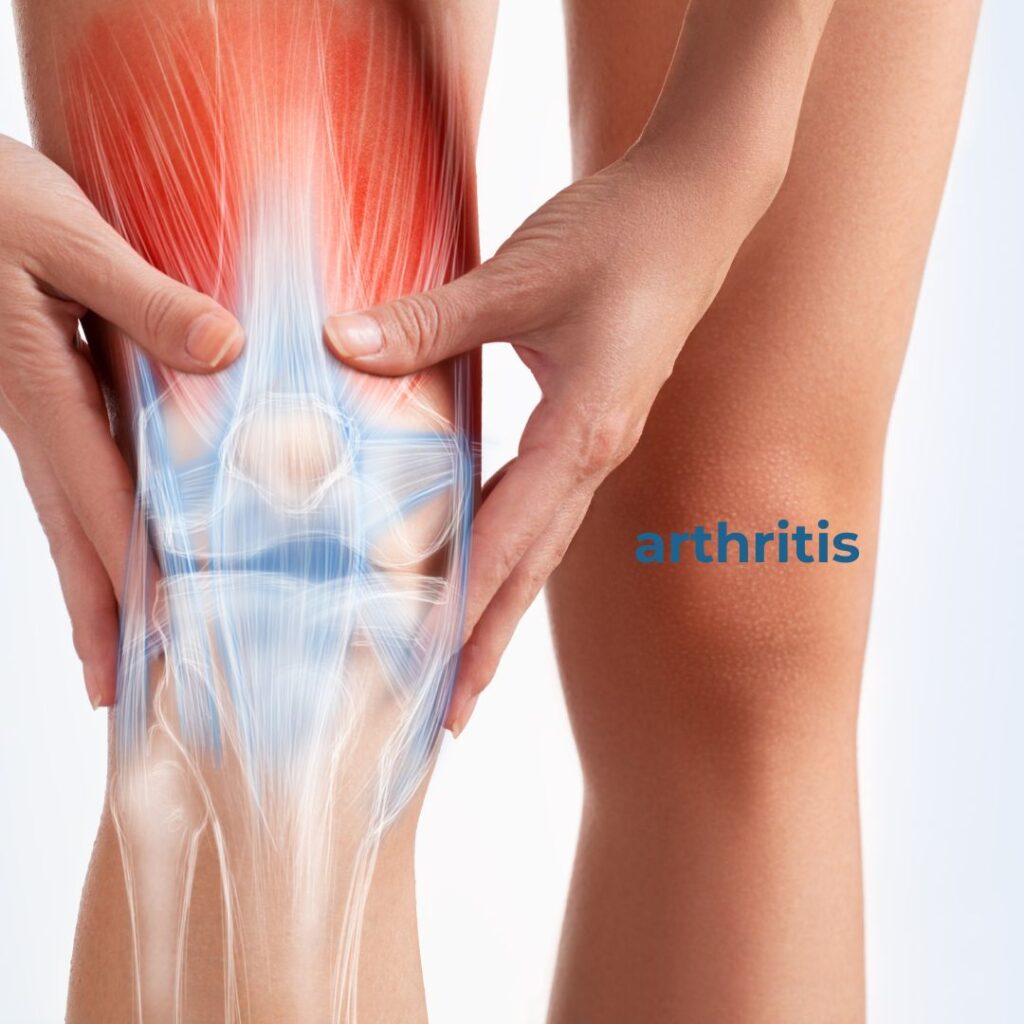

Osteoarthritis of the hip or knee is one of the most common conditions affecting adults over 50 — and one of the most mismanaged. Many people are told to ‘rest’, ‘avoid impact’ or ‘wait until it’s bad enough for surgery’. This advice is increasingly at odds with the evidence.
Research consistently shows that physiotherapy-led exercise is the most effective first-line treatment for hip and knee osteoarthritis. It reduces pain, improves function, builds strength and — for many people — reduces or eliminates the need for surgery.
At Pottsville & Cabarita Physiotherapy, we offer both individual physiotherapy and the internationally validated GLA:D program — a group exercise and education program specifically designed for hip and knee osteoarthritis that has been shown to reduce symptoms by up to 32%.
Osteoarthritis (OA) is a joint condition characterised by the gradual breakdown of cartilage — the smooth cushioning tissue that covers the ends of bones. As cartilage wears, the underlying bone changes, and the joint space may narrow. This can cause pain, stiffness, swelling and reduced range of movement.
Despite common belief, osteoarthritis is not simply ‘wear and tear’ that is inevitable with age, nor is it purely a mechanical problem. It is influenced by muscle strength, body weight, movement patterns, activity levels, pain sensitivity and inflammation — all of which are modifiable.
Scans often overestimate the problem. Many people with significant changes on X-ray or MRI have minimal symptoms, while others with relatively mild imaging changes can have significant pain. This is why basing treatment decisions on images alone is not recommended.
Exercise therapy is the most evidence-supported treatment for osteoarthritis. It is recommended by every major clinical guideline globally, including Arthritis Australia, as the first-line approach — ahead of medication, injections or surgery.
The key is the right type and amount of exercise — progressive enough to build strength and cartilage resilience, but managed appropriately to avoid unnecessary flare-ups. Our physiotherapists are trained to prescribe exactly this.