
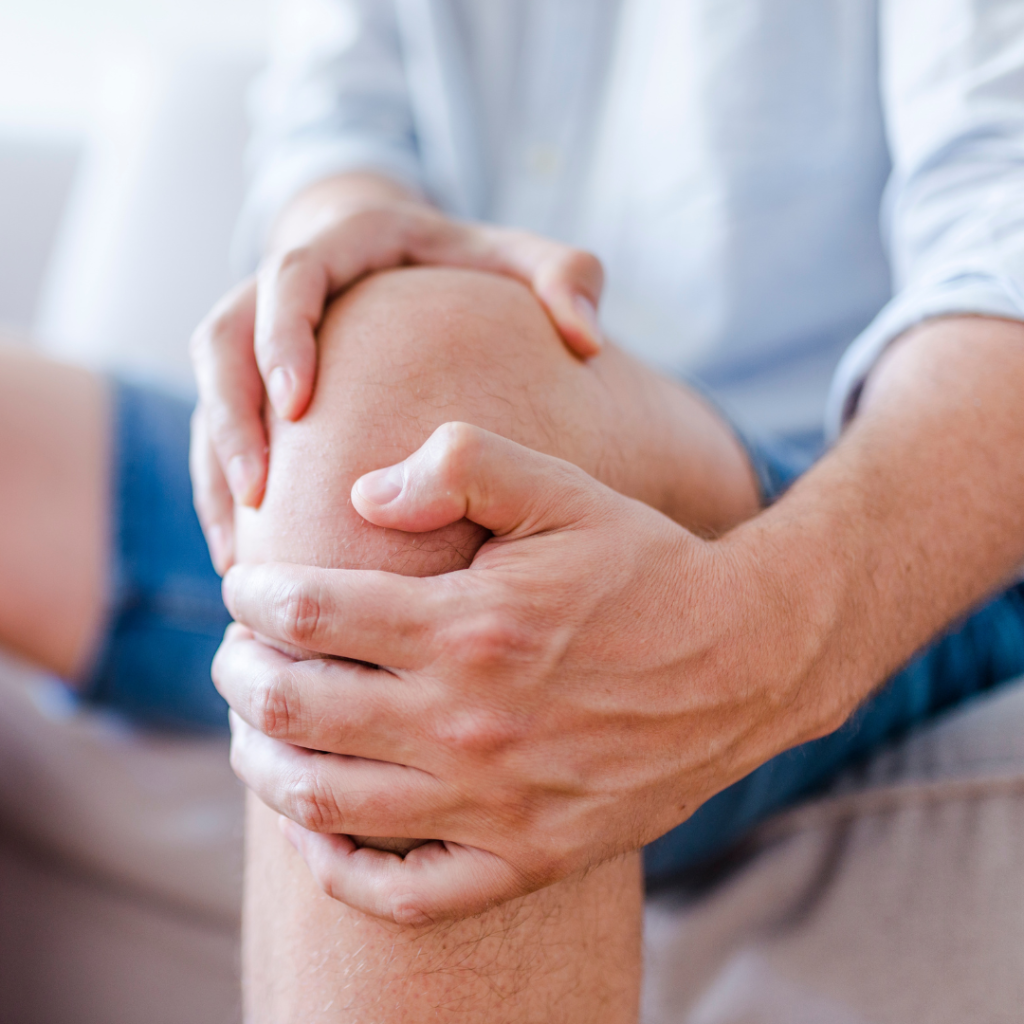
Knee pain is one of the most common reasons Australians seek physiotherapy — affecting people of all ages, from adolescent athletes to older adults managing osteoarthritis. The knee is a complex joint, and the cause of pain varies enormously between patients. Accurate diagnosis is essential before treatment begins.
At Pottsville & Cabarita Physiotherapy, we assess and treat the full range of knee conditions using a combination of hands-on physiotherapy and progressive, evidence-based exercise rehabilitation. Our goal is not just to settle your pain — but to build the strength and movement quality that prevents it coming back.
The knee is supported by four major ligaments, two cartilage discs (menisci), tendons from multiple muscles, a patella (kneecap) and its tendon, as well as bone, bursa and a joint lining. Any of these structures can generate pain, and the pattern of symptoms usually points clearly to the source.
Knee pain can be acute (from a sudden injury or mechanism) or gradual onset (from overuse, load change or degenerative change). Both respond well to physiotherapy, though the approach differs significantly. Your physiotherapist will identify the specific cause before recommending treatment.
Physiotherapy addresses the specific drivers of knee pain — whether that is weakness, movement dysfunction, load management, structural injury or degenerative change. Treatment is tailored to the individual and to the specific diagnosis.
Progressive strength training is central to almost every knee rehabilitation program. Stronger quadriceps, hamstrings, glutes and calf muscles reduce the load through the knee joint and provide better dynamic stability — which is what produces lasting improvement.
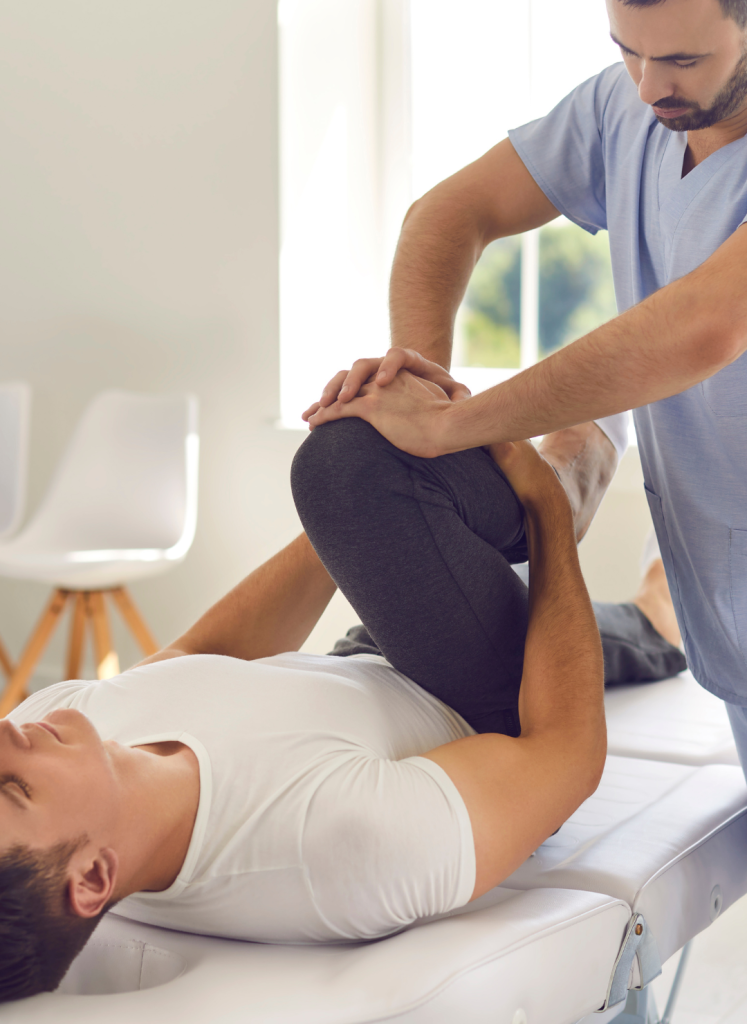
Patellofemoral pain is pain around or behind the kneecap, often described as aching during stairs, running, squatting or sitting for long periods. It is very common in young active adults and runners. It responds well to physiotherapy focusing on quadriceps and hip strengthening and movement retraining.
Not always. Clinical assessment is usually sufficient to identify the likely cause of knee pain and guide initial treatment. Your physiotherapist will advise if a scan is warranted — for example, after an acute injury where ligament or meniscal damage needs to be confirmed.
In many cases, yes — with appropriate modification. A physiotherapy assessment will identify whether running is aggravating your condition and at what volume. Complete rest is rarely the best answer.