
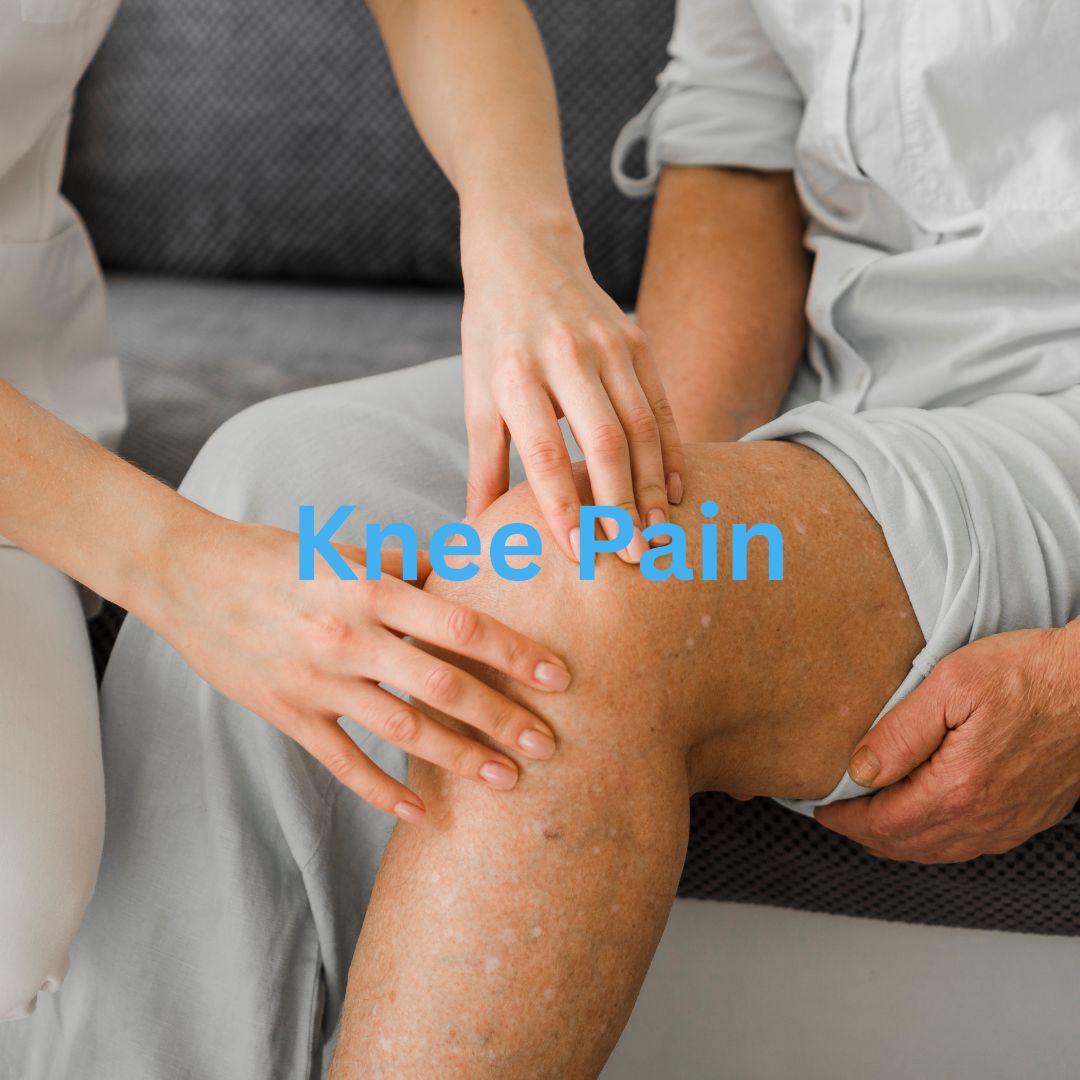
Your knees do a remarkable amount of work. Every step down the stairs, every squat to pick up a toddler, every paddle-out on a surfboard asks your knees to absorb and transfer force. So it’s no surprise that knee pain is one of the most common problems we see at Pottsville & Cabarita Physiotherapy in teenagers, weekend warriors, tradies and retirees alike.
Not all knee pain is the same, though. Where it hurts, how it started and what aggravates it all give important clues. Here’s a guide to the most common causes, and what tends to help.
1. Patellofemoral pain (pain around or behind the kneecap)
What it feels like: A dull ache at the front of the knee, around or behind the kneecap. Often worse with stairs (especially going down), squatting, kneeling, running, or sitting for long periods with the knees bent (“movie-goer’s sign”).
Who gets it: Very common in active teenagers and young adults, runners, and people who have recently increased their activity.
What’s going on: The joint between the kneecap and thigh bone becomes sensitive, usually because load has increased faster than the tissues can adapt. Hip and thigh strength, training load, and movement patterns can all play a part.
What helps: The evidence strongly supports a combination of hip and knee strengthening exercises, education about load management, and temporarily modifying aggravating activities. Taping or foot orthoses can offer short-term relief for some people. Most people improve well within 6–12 weeks with a consistent program.
2. Knee osteoarthritis
What it feels like: Activity-related pain, short-lived morning stiffness (under about 30 minutes), stiffness after sitting, and sometimes swelling. Usually in people over 45.
What helps: Education, strengthening and neuromuscular exercise, aerobic activity and weight management where relevant. (See our companion article: Knee Osteoarthritis: Why Movement Is Your Best Medicine.)
3. Meniscus tears
The menisci are two C-shaped pads of fibrocartilage that act as shock absorbers in the knee.
Traumatic tears usually happen in younger, active people during a twisting movement on a bent knee, think changing direction in football or touch. There may be swelling over the following hours, pain on the inner or outer joint line, and sometimes catching or locking.
Degenerative tears are extremely common from middle age onwards, and are often found on MRI in people with no knee pain at all. They are frequently part of the same process as early osteoarthritis.
What helps: For degenerative meniscus tears, high-quality research shows that exercise therapy produces outcomes similar to arthroscopic surgery, without surgical risks. Arthroscopy for degenerative knee pain is not recommended under Australian guidelines. Traumatic tears in younger people, or a knee that is truly locked and can’t straighten, may need a surgical opinion, your physio can help guide this.
4. Ligament injuries (ACL, MCL)
What it feels like: Usually a clear moment of injury a twist, a pop, or a blow to the side of the knee. ACL injuries often cause rapid swelling and a feeling that the knee is giving way. MCL injuries cause pain on the inner side of the knee.
What helps: Most MCL injuries heal very well with physiotherapy and progressive loading. ACL injuries need a thorough assessment and an informed discussion about management options; both rehabilitation-first and surgical pathways can produce good outcomes depending on the person and their goals. Either way, a structured rehab program is essential.
5. Patellar tendinopathy (“jumper’s knee”)
What it feels like: Pain just below the kneecap, sharply localised, and worse with jumping, landing, or heavy squatting. Often warms up during activity then feels worse afterwards or the next day.
What helps: Tendons love progressive load. Treatment centres on a graded strengthening program (often starting with isometric holds and progressing to heavier and faster loading), plus managing jump and sport volume.
6. Pes anserine pain and other soft-tissue causes
Pain on the inside of the knee, just below the joint line, can come from the tendons and bursa in this area. It’s common in people with knee OA and in runners. Strengthening, load management and addressing contributing factors usually help.
When should you see a physio?
Book an assessment if:
- Knee pain has lasted more than 2–3 weeks or keeps returning
- Pain is stopping you from doing activities you enjoy
- You’ve had an injury with swelling, a pop, or the knee giving way
- You’re unsure whether to rest or keep moving
- You’ve been told you have arthritis or a meniscus tear and want to know your options
When to seek urgent medical care
See your GP or emergency department promptly if you have:
- A hot, red, very swollen knee, especially with fever or feeling unwell
- Inability to bear weight after an injury
- A knee that is locked and won’t straighten
- Calf pain, swelling or redness (particularly after surgery, a long flight or a period of immobility)
- Knee pain with unexplained weight loss or night pain that doesn’t ease with position change
What to expect at your appointment
At our Pottsville and Cabarita Beach clinics, your physiotherapist will:
- Listen to your story how it started, what aggravates and eases it, and your goals
- Examine the knee, hip, ankle and the way you move
- Explain the likely diagnosis and what that means for you
- Advise whether imaging or a medical opinion is needed (often it isn’t)
- Start you on a practical plan you can follow at home
Knee pain holding you back? Our physiotherapists in Pottsville and Cabarita Beach can assess your knee and build a plan that works for your life. No referral needed.