
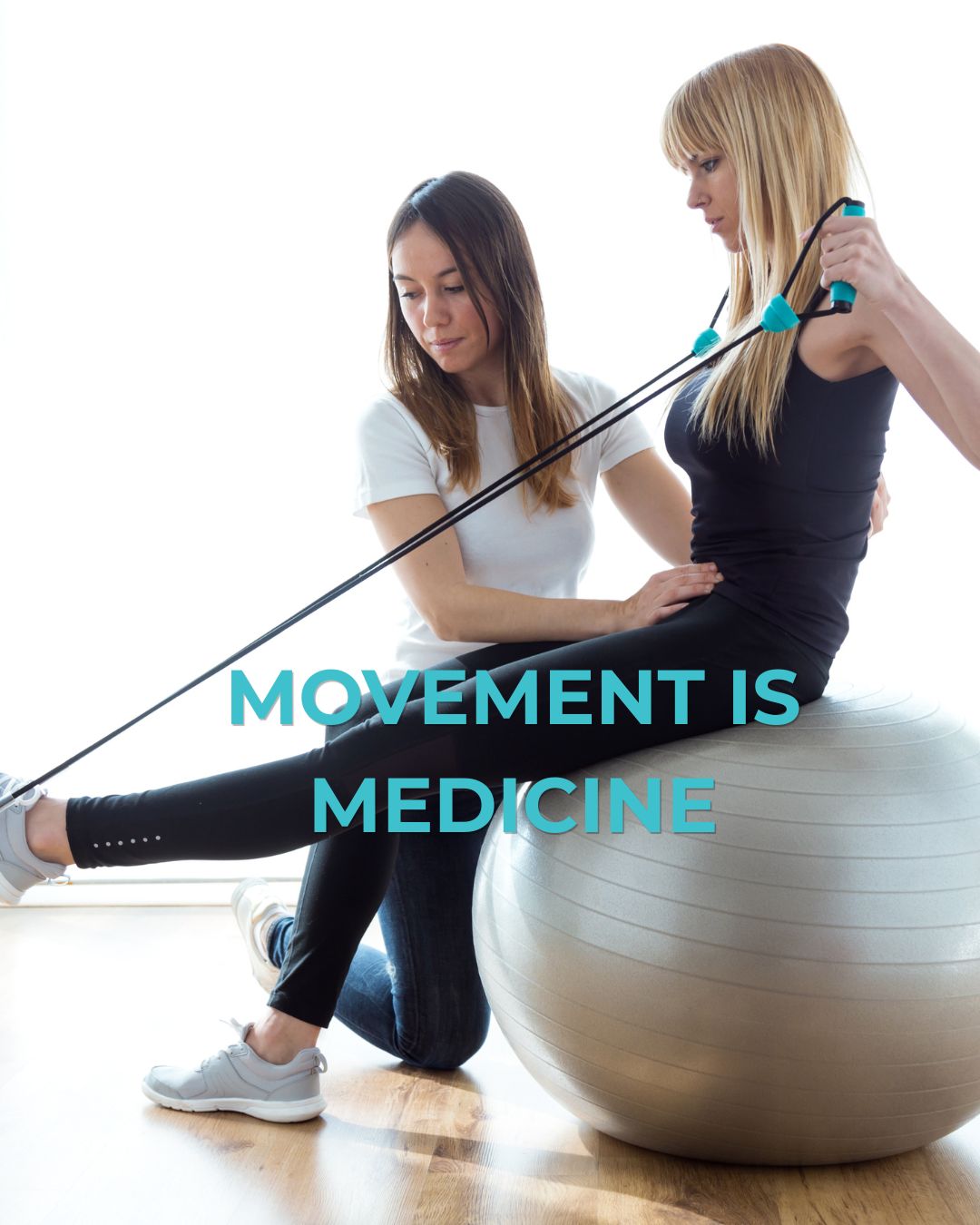
When something hurts, our instinct is to rest and protect it. With a fresh injury, that’s exactly right. But with persistent pain — pain that’s hung around for months — too much rest can actually keep the cycle going. The evidence is clear: for chronic pain, movement is one of the most powerful medicines we have.
The catch is how you move. Here’s a practical, physio-led guide to getting going safely.
Why movement helps when it’s done well
Gentle, regular movement does a lot more than keep you fit:
- It gradually teaches an over-protective nervous system that activity is safe, dialling the pain alarm down.
- It keeps joints, muscles and tissues healthy, mobile and strong.
- It releases your body’s own pain-relieving chemicals and lifts mood.
- It rebuilds confidence — and confidence is a genuine pain-reliever in its own right.
You don’t need a gym or a marathon. The best exercise for persistent pain is the one you’ll actually keep doing.
Find your baseline first
The single most common mistake we see is the boom-and-bust trap: a good day leads to overdoing it, which leads to a flare-up, which leads to days of rest — and round it goes.
Instead, find a sustainable baseline. Choose an activity (a walk, some gentle stretches, a few simple exercises) and work out an amount you can do on a bad day without a big flare afterwards. That’s your starting point — even if it feels frustratingly small.
Build slowly with graded exposure
Once you have a baseline, increase gradually — often by around 10% a week — rather than in big leaps. This is called graded exposure, and it’s how we retrain both your body and your nervous system that more activity is okay.
A simple progression for walking might look like:
- Week 1: 5 minutes, twice a day
- Week 2: 6–7 minutes, twice a day
- Week 3: 8 minutes, twice a day
Small, boring and steady wins here. Progress isn’t always linear, and that’s normal.
Pacing: your secret weapon
Pacing means breaking activities into manageable chunks and switching tasks before pain forces you to stop. Gardening for 90 minutes straight might wipe you out for two days; three 20-minute sessions with breaks might get the same job done with no flare at all.
Set a timer. Change position. Rest before you’re desperate to. It feels counterintuitive, but it lets you do more overall.
Have a flare-up plan
Flare-ups will happen — they’re a normal part of the journey, not a sign you’ve failed or done damage. A simple plan helps you ride them out without panic:
- Don’t catastrophise. A flare is your sensitive system reacting, not new injury.
- Keep moving gently. Reduce rather than stop completely.
- Use your calming tools — breathing, heat, gentle movement, a good night’s sleep.
- Return to your baseline and rebuild from there.
Don’t forget the dial-turners
Movement works best alongside the things that quietly turn your pain dial up or down: decent sleep, managing stress, staying socially connected, and doing things that bring you enjoyment and meaning. These aren’t fluffy extras — they’re core treatment.
Where a physio comes in
A physiotherapist takes the guesswork out of all this. We help you find the right baseline, build a progression that fits your goals, troubleshoot flare-ups, and keep you accountable and confident. For some people, hands-on treatment alongside an active plan makes those first steps more comfortable.
At Pottsville and Cabarita Physio, we work with people across Cabarita Beach, Pottsville and the Northern Rivers to build movement plans that fit real life — whether that’s getting back to the surf, the garden, or simply the floor to play with the grandkids.
Ready to make movement your medicine this winter? Book an assessment and let’s build your plan.
Melissa Macdonald Physiotherapist, Pottsville and Cabarita Physio