
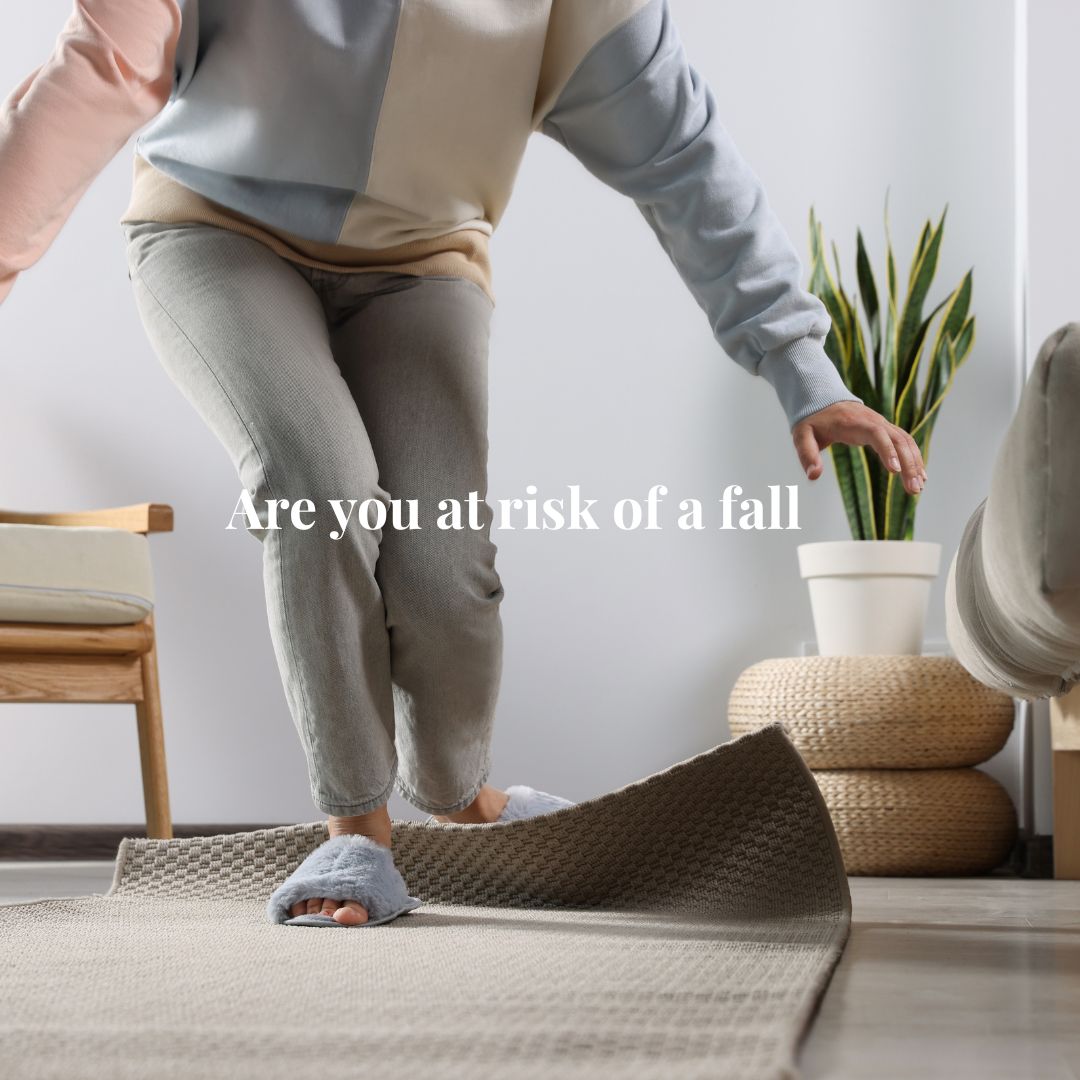
Falls aren’t just an “old age” issue that happens to other people, they’re one of the leading causes of injury-related hospitalisation in Australia. According to the Australian Institute of Health and Welfare, falls accounted for around 133,000 hospitalisations and roughly 5,000 deaths among Australians aged 65 and over in a single year, making up more than three-quarters of all injury hospitalisations in that age group. More recent figures put the annual national toll even higher, with health system costs from falls now exceeding $5 billion a year.
Here’s the statistic that surprises most people: around one in three Australians over 65 has at least one fall every year, and about half of all falls happen right at home not on some icy footpath or unfamiliar terrain.
Why balance declines with age (and why it’s not inevitable)
Balance relies on three systems working together: your vision, the proprioceptive sense in your joints and muscles (which tells your brain where your body is in space), and your vestibular system in the inner ear (which senses movement and head position). As we age, all three can quietly decline: vision changes, joint proprioception becomes less precise, muscle strength and reaction speed reduce, and the inner ear’s sensitivity can drop off. Add in medications that affect blood pressure or alertness, and the risk compounds.
The important part: this decline is not simply an inevitable consequence of ageing that you have to accept. It’s largely a “use it or lose it” system, and it responds well to targeted training.
What actually works: the evidence
Exercise and Sports Science Australia’s updated position statement on falls prevention — along with the broader body of research it draws on is clear that exercise is the single most effective intervention available for reducing falls risk in community-dwelling older adults, ahead of home modifications or vitamin D alone (though these still have a role). Programs that specifically challenge balance and combine it with functional strength training have been shown to reduce falls by around 25% in adults aged 60 and over.
The key word is specific. Walking is great for general health, but it doesn’t sufficiently challenge your balance system to improve it. Effective falls-prevention exercise needs to include:
- Balance challenges — standing on one leg, narrowing your base of support, walking heel-to-toe
- Functional strength — particularly for the hips, knees, and ankles, which control how well you catch yourself
- Reaction and stepping practice — the ability to take a quick corrective step is one of the best predictors of whether a stumble becomes a fall or just a stumble
How a physiotherapy assessment helps
At your first appointment, we typically start with a short screen — three simple questions:
- Have you fallen in the past year?
- Do you feel unsteady when standing or walking?
- Do you worry about falling?
From there, we assess your balance, gait, strength, and any medical factors that might be contributing (medications, vision, footwear, home environment), and categorise your risk as low, intermediate, or high. This isn’t about scaring people, it’s about giving you a clear, individualised plan rather than a generic “be careful” warning. For people who’ve already had a fall or feel persistently unsteady, this assessment is particularly valuable; for people who haven’t had any issues yet, starting a balance program before 65 is genuinely one of the best preventative moves you can make.
Q&A: Your falls prevention questions answered
Q: I haven’t fallen — do I really need to worry about this? The best time to start balance training is before you’ve had a fall. Prevention is far more effective (and far more pleasant) than rehabilitation after an injury. If you’ve noticed yourself holding onto furniture more, feeling less steady on uneven ground, or avoiding certain activities “just in case,” those are early signals worth acting on.
Q: Will a walking stick or frame fix the problem? A mobility aid can be an important safety tool, especially short-term, but it doesn’t retrain your balance system — it works around it. Where appropriate, we combine any mobility aid you use with a program that actively challenges and improves your balance, rather than relying on the aid alone long-term.
Q: How long before I’d notice a difference? Most people notice improved confidence within 4–6 weeks of consistent balance-focused exercise, with measurable gains in standardised balance tests typically appearing over 8–12 weeks. Consistency matters far more than intensity here.
Q: Does strength training really help with balance? Yes — strong hips, knees, and ankles are what allow your body to make the small, fast corrections that prevent a stumble turning into a fall. Balance and strength training work best as a combined program rather than either alone.
Q: What can I do at home right now? Practising standing on one leg near a bench or wall (for safety), walking heel-to-toe along a hallway, and standing up from a chair without using your hands are all simple starting points. We cover three take-home exercises like this in this month’s newsletter — see below.
Take the first step toward steadier days
Whether you’ve had a fall, had a near-miss, or simply want to stay active and independent for the long haul, a balance assessment is a small step that pays off. Book in at our Pottsville or Cabarita Beach clinic this month.
Book your balance assessment online or give us a call 02 66764000
Written by Melissa Macdonald, Physiotherapist, Pottsville & Cabarita Physiotherapy. This article is general information and does not replace individualised medical advice.