
Jaw pain, clicking or difficulty opening your mouth can be frustrating and sometimes worrying.
Many people live with these symptoms for months or even years without realising that physiotherapy can effectively treat jaw dysfunction.
At Pottsville and Cabarita Physiotherapy, we assess and treat temporomandibular joint (TMJ) dysfunction, helping people reduce pain, restore normal jaw movement and address contributing factors such as neck tension and clenching.
The temporomandibular joint (TMJ) connects your jaw to your skull and allows you to:
Because the joint works constantly throughout the day, it can sometimes become irritated or dysfunctional.
When this occurs it may cause symptoms such as pain, clicking or restricted movement.


TMJ dysfunction can present in many different ways.
Common symptoms include:
Sometimes the symptoms are mild at first, but they can gradually worsen if the underlying cause is not addressed.
The jaw and upper neck are closely connected.
The muscles that control the jaw also interact with the muscles of the neck and skull.
For this reason, TMJ dysfunction is frequently associated with:
A comprehensive physiotherapy assessment considers both the jaw and the surrounding structures, helping identify the true drivers of the problem.
Jaw dysfunction can develop for a number of reasons, including:
Understanding the underlying cause is essential for effective treatment.
Physiotherapy treatment for jaw pain is usually gentle and highly specific.
Depending on your symptoms, treatment may include:
The aim is to restore smooth, pain-free movement of the jaw and reduce the factors contributing to irritation.


Many people are surprised to learn that jaw dysfunction can contribute to headaches.
The TMJ shares nerve pathways with the muscles of the face, head and neck. When the jaw becomes irritated or overloaded, this can trigger pain that spreads to the temples or base of the skull.
Treating the jaw and associated neck dysfunction often leads to significant improvement in headache symptoms.
It is worth having your jaw assessed if you experience:
Early treatment can help prevent the problem from progressing and restore normal movement more quickly.
Our physiotherapists combine hands-on treatment, movement retraining and exercise therapy to address the underlying causes of TMJ dysfunction.
Where appropriate, treatment may also include guidance on posture, breathing and stress-related muscle tension that can contribute to jaw problems.
Our goal is to help you return to comfortable, natural jaw movement without ongoing irritation or pain.
If you are experiencing jaw pain, clicking or difficulty opening your mouth, a physiotherapy assessment can help determine the cause and guide appropriate treatment.
Book an appointment with one of our physiotherapists and take the first step towards relieving your jaw symptoms.

Get fast relief & start moving again
Physiotherapy
Sports Physio
Clinical Pilates
Massage Therapy
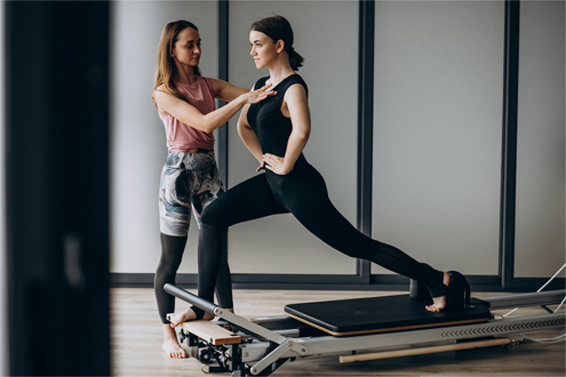
Transform the way your body moves
Biomechanical Video Analysis
Physiotherapy
Clinical Pilates
Exercise Physiology

Exceed your goal for health & performance
Fitness Pilates
Performance Pilates
Exercise Physiology
Sports Massage