
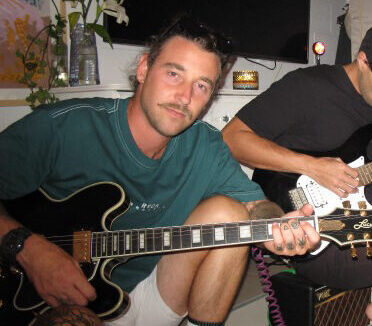
Dan B sat down with us for a Q and A
Tell us a little about yourself — where did you grow up and what brought you to the Tweed Coast?
I was born on the Gold Coast but have spent the last 10 years living here in Northern NSW.
I originally moved down to escape the crowds that were building on the Gold Coast and to enjoy the slower pace of life — fewer traffic lights, great surf, and easy access to the outdoors. The Tweed Coast has a great community feel and it’s a pretty special place if you enjoy an active lifestyle.
What made you want to become a Physiotherapist? Was there a moment you knew?
I’ve always been interested in the human body and how injuries happen. Growing up I was often the one family and friends would come to with questions about injuries or pain.
I tried a few different career paths before it finally clicked that physiotherapy was the right fit for me.
I originally completed a degree in Osteopathy, which was heavily focused on manual therapy. While I enjoyed that aspect, I became more interested in exercise rehabilitation and building long-term strength and resilience in the body. That led me further down the physiotherapy pathway.
What do you love most about being a Physio?
Cliche but Talking with people and helping them.
Helping guide someone back to doing the things they enjoy is a pretty good feeling.
Seeing someone progress from pain and frustration back to confidence in their movement is incredibly rewarding.
What do you think people are often surprised to learn about Physiotherapy?
How broad the profession actually is.
Many people think physio is just about treating sore backs or sports injuries, but the scope is huge — from neurological rehabilitation and balance disorders to concussion management and respiratory physiotherapy.
It’s a really diverse field that goes far beyond just treating muscles and joints.
What areas of Physiotherapy are you most passionate about and why?
Helping people get back to doing things they thought they might never be able to do again.
Whether that’s returning to sport, training again, or simply moving without pain in everyday life, those moments where someone realises they can do something again are always the most rewarding.
What conditions do you see most often in clinic?
Neck pain, lower back pain, and hip pain are probably the most common presentations I see.
These conditions often develop gradually and can become quite limiting, but they also respond really well to the right combination of treatment and rehabilitation.
Is there a type of patient or presentation you particularly love helping?
At the moment I particularly enjoy working with neck pain. During my Osteo degree we focused on the neck a lot, I feel comfortable with these presentations.
What’s your approach to treatment?
My approach usually begins with hands-on manual therapy to better understand the injury and help settle pain signals.
From there, the focus quickly shifts toward exercise and strength-based rehabilitation. I strongly believe that building strength and improving tissue capacity is one of the most important factors for long-term recovery.
The goal isn’t just to reduce pain — it’s to make the body more resilient so the issue is less likely to return.
How do you combine Physio and Pilates in your treatment plans?
Pilates can be a really useful bridge between early-stage rehabilitation and more functional strength work.
I often use Pilates to help people move comfortably through their full range of motion while gradually introducing load and improving control. It’s particularly effective for developing core strength, coordination, and movement confidence before progressing into more demanding exercises.
What do you think is the biggest mistake people make when it comes to managing pain?
Not being consistent and not making their injury a priority.
A lot of people either wait too long to seek help or stop exercising completely once pain appears. Others rely heavily on scans without addressing the underlying strength or movement issues.
Consistency with the right exercises and gradually rebuilding strength is usually the key.
What do you believe is the key to long-term recovery?
Continuing to strengthen the body even after the pain has settled.
Pain relief is only the first stage of recovery. To reduce the likelihood of re-injury, we need to increase the body’s tissue tolerance through progressive strength and movement training.
How important is strength and longevity in your approach?
Strength is one of the most powerful tools we have for long-term health.
It supports joints, improves mobility, reduces injury risk, and helps people stay active as they age. My goal is always to help people not only recover from injury but also build a body that can tolerate the demands of their lifestyle long-term.
How do you help patients who feel frustrated or stuck in persistent pain?
The first step is helping them understand what’s going on.
When people are in persistent pain it can feel confusing and discouraging. Breaking things down, creating a clear plan, and gradually building confidence in movement again can make a big difference.
Small improvements over time often lead to the biggest long-term changes.
What role do you think the nervous system and stress play in pain and injury?
The nervous system plays a huge role in how we experience pain.
Stress, fatigue, lifestyle load, and previous injuries can all influence how sensitive our bodies become. That’s why treatment often involves not just physical rehabilitation, but also education around recovery, load management and overall wellbeing.
What do you love doing outside of work?
Surfing is definitely at the top of the list.
I also play guitar and spend as much time camping and getting outdoors as possible. Being in nature and staying active is a big part of how I recharge outside of work.
If we saw you on the weekend, where would you be?
Most likely surfing. If not, I’ll most likely be traveling south finding someone to camp and go fishing.
What’s one thing most people don’t know about you?
I was once upon a time a Shark Fisherman in South Australia. Long story.
Favourites
Coffee order: Iced Long black
Beach: South Kingy.
Book or podcast: True Crime Podcasts
Local café: The Burrow.
Do you play any sport or have any active hobbies?
Surfing is my main sport, but I also enjoy strength training, fishing and camping.
Quick Fire Round
Early bird or night owl? Early birds get the worm
Beach or mountains? Beach
Pilates or gym? Gym
Sweet or savoury? Savoury
Summer or winter? Autumn
Go-to recovery tool? Sauna
What do you love most about working at Pottsville & Cabarita Physiotherapy?
Having access to the gym space is great because it allows patients to start their rehabilitation journey in a supportive environment.
It’s great being able to combine hands-on physiotherapy, Pilates-based rehabilitation, and gym-based strength work all in the one place.
What makes our clinic different from others?
The large gym floor and the strong community atmosphere.
The clinic has a really supportive environment where people feel comfortable exercising and progressing their rehabilitation.
What would you say to someone who is nervous about booking in?
Being nervous is completely normal.
But staying in pain is usually much worse than taking that first step to get help. Our job is to make the process comfortable and guide you toward getting back to feeling better.
If someone is unsure whether they need Physio, what would you tell them?
If you’re in pain and unsure where to start, seeing a physiotherapist is often the best first step.
Even one appointment can help clarify what’s going on and give you a clear plan moving forward.